

Scotland is a destination that steals your heart at every turn.
From its dreamlike landscapes, with ruined castles and lochs shrouded in mystery, to its vibrant cities full of history, traditions, and cozy pubs.
Whether you explore the Scottish Highlands, make your way around the iconic Isle of Skye, or wander through the alleyways of Edinburgh, there's always something special waiting for you in every corner of the country.
But before you pack your bags and set off on your adventure, there are a few details that can make all the difference between an unforgettable trip and one full of unexpected hiccups.
When is the best time to go? How do you get around the country? What should you pack?
In this guide, we're sharing the best tips for traveling to Scotland and making the most of your experience.
So get ready, because your journey through Scotland starts... now!
Where should you start when planning a trip to Scotland?
If you're asking yourself that question, we recommend heading straight to our article start here: how to plan your trip to Scotland, where you'll find a step-by-step guide to planning your trip on your own without missing a single detail.
But to get you started, here's a quick summary.
The first step is finding a flight that fits your needs (comfort, flight times, distance to the airport and from the airport once you arrive, etc.), and all the better if it's affordable.
Our go-to tool for finding cheap flights is Skyscanner.
You can use tools like price alerts to find better deals and adjust your dates to the cheapest options.
But maybe we're getting ahead of ourselves... do you already know when you're traveling?
That's the first thing to figure out!

When should you travel to Scotland?
If you've already picked your dates, perfect! Sometimes choosing the best season can be tricky.
If you're still not sure when to travel to Scotland, here's some useful information:
Spring (March, April, and May)
It's low season, so you can visit the country without the crowds.
Take your time strolling through the many parks and gardens as they begin to burst into color.
May is known as whisky month, so take advantage of the deals and enjoy a tour of one of the distilleries.
One of the best-known events at this time of year is the Spirit of Speyside Whisky Festival, ideal if you're interested in learning more about this Scottish tradition.
The days start getting longer and the weather improves, although, as the Scottish saying goes, "you can get all four seasons in one day."
Keep in mind that the weather changes quickly, so it's important to pack a variety of clothes and dress in layers.
Summer (June, July, and August)
This is vacation season at its peak, and there are plenty of reasons to travel in summer: a higher chance of good weather, nearly 24 hours of daylight, outdoor seating, the atmosphere...
It's festival season, time for the traditional Highland games, ice cream, and performances around every corner.
Edinburgh hosts the Fringe, its famous international festival, so our recommendation is to book your flights and accommodations as early as possible if you want to visit the city at this time of year.

Fall (September, October, and November)
Without a doubt, this is the best time for lovers of scenery and photography.
September still brings pleasant temperatures and plenty of daylight, rainfall is limited, and prices are no longer as high.
The most intense fall colors usually appear in mid-October.
And in November, you start to get a glimpse of the Christmas season, with the first decorations appearing in shop windows, restaurants, and cities in general. There are also special events to celebrate St Andrew's Day (November 30), Scotland's patron saint.
Winter (December, January, and February)
Temperatures are cool, but fairly moderate.
It gets dark at 4:00 p.m. and many tourist attractions close, but it's Christmas market season, mulled wine season, and a time for beautiful winter scenes dusted in white the farther north you go.
Book your accommodations as soon as you know your travel dates
Once you know your dates for your trip to Scotland, map out your route and book your accommodations as you finalize it.
This will help you save money and secure availability at the hotels you want to stay in.

When choosing accommodations in Scotland, it's important to consider the location, the kind of trip you're taking, and your budget.
Travel documents and entry requirements (updated 2026)
On January 31, 2020, the United Kingdom officially ceased to be a member of the European Union.
If you are a citizen of the European Union, you can travel with a valid passport that does not expire within 6 months, along with an approved ETA.
If your country is not part of the European Union, entry requirements may vary depending on your nationality and the purpose of your trip. That's why we recommend checking the official information from the UK government, where you can find out whether you need a visa or an electronic authorization (ETA) and review all the latest requirements.
Health and travel insurance
It's a good idea to bring your EHIC (European Health Insurance Card). It's free, and you can apply for it through the relevant public health insurance authority in your country.
Apply for it well in advance, since it's sent by regular mail and takes a few days to arrive.
This card gives you access to free emergency medical care at public healthcare facilities in Scotland.
However, the EHIC does not cover private healthcare, so it's important to make sure you receive treatment at public facilities or at centers that are part of the UK's National Health Service.
On the other hand, the EHIC is not a substitute for travel insurance, since it does not cover things like repatriation in the event of serious illness or an accident, or other protections such as lost luggage, for example.
That's why, to make sure you're fully covered and can enjoy your trip with complete peace of mind, we recommend taking out travel insurance that complements EHIC coverage so you have more comprehensive protection during your stay.
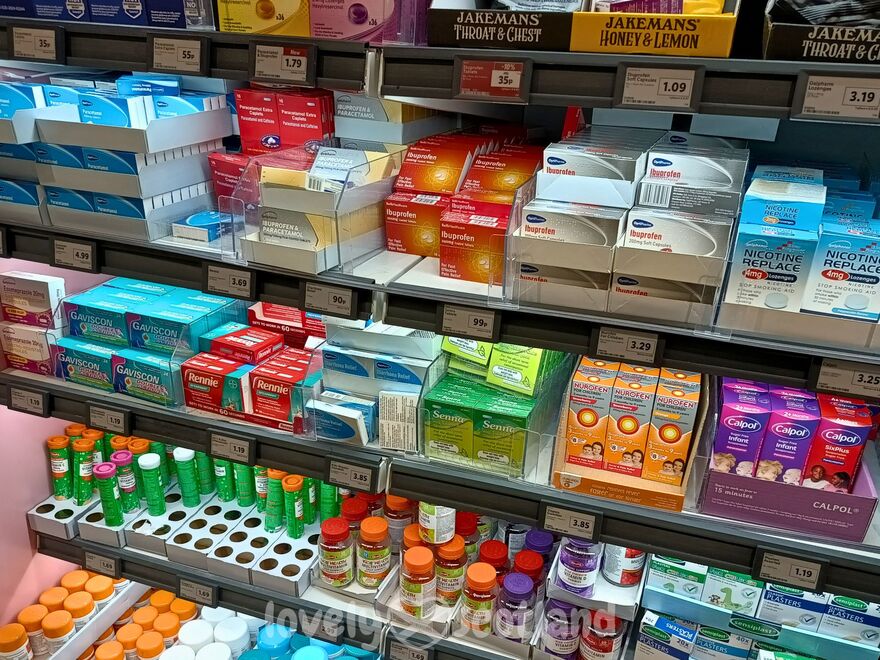
Language and a useful resource
Scotland's official language is English. There are also other minority languages, such as Scots and Scottish Gaelic, which, although they have gradually declined over time, are still spoken by a small percentage of the population, especially in the north of the country and on some islands. But don't worry, you'll be fine with English.
That said, keep in mind that the Scottish accent can be quite strong and sometimes difficult to understand, especially the farther north you go.
Download the Google Translate app on your phone. It's not perfect, but it can help you out from time to time.
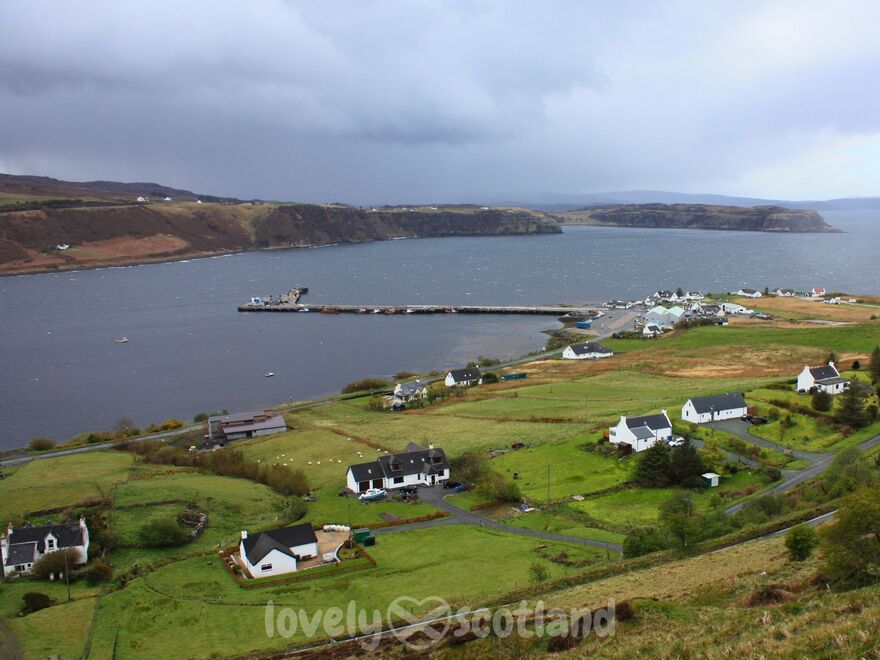
Cards for traveling to Scotland
Scotland uses the pound sterling (GBP), but forget about exchanging money at airports or similar places.
Traveling with cards is much more practical and cost-effective.
We use N26, Revolut, and Wise, and they've worked great for us.
With the N26 card, you can make payments without being charged fees and at the current exchange rate, and with the Revolut card, you can withdraw cash from ATMs without foreign exchange fees.
You can find more detailed information in the article the best cards for traveling without fees.
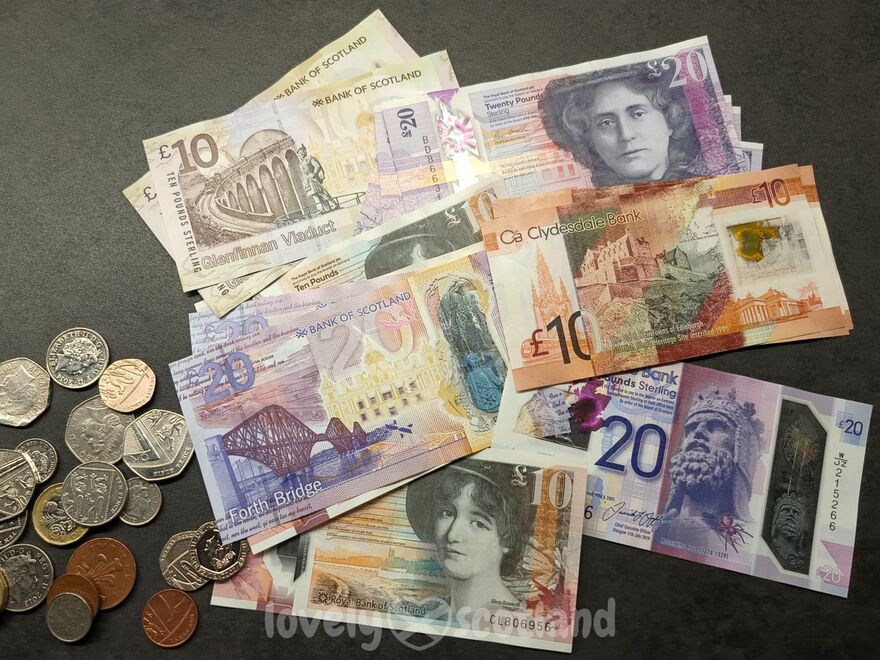
If you've traveled before and still have some pounds put away, you'll need to check them, because since 2016 some versions of the pound have changed and are no longer accepted.
The £1 coins and the £5, £10, and £20 banknotes have been replaced.
Safety recommendations
Traveling to Scotland is safe, and you don't need to take any special precautions beyond the ones you would normally take in any big city, especially when you're in places with more tourists, such as Glasgow or Edinburgh.
Keep an eye on your belongings in public places and don't carry too much cash with you.
And if you're traveling by rental car, don't leave valuables in plain sight, although all of this is really just common sense.
Stay connected while traveling
Check whether your carrier includes roaming in the UK.
YOU HAVE ROAMING: Perfect! All you have to do is turn on data roaming on your phone, and you'll keep the terms of your plan with no extra charges for any services.
Your phone will connect to a UK network, but nothing else will change.
YOU DON'T HAVE ROAMING: Get an eSIM for the UK before you travel. As soon as you step off the plane, you'll have internet access for whatever you need.
If your phone isn't compatible with an eSIM, don't worry, we have an alternative for you.
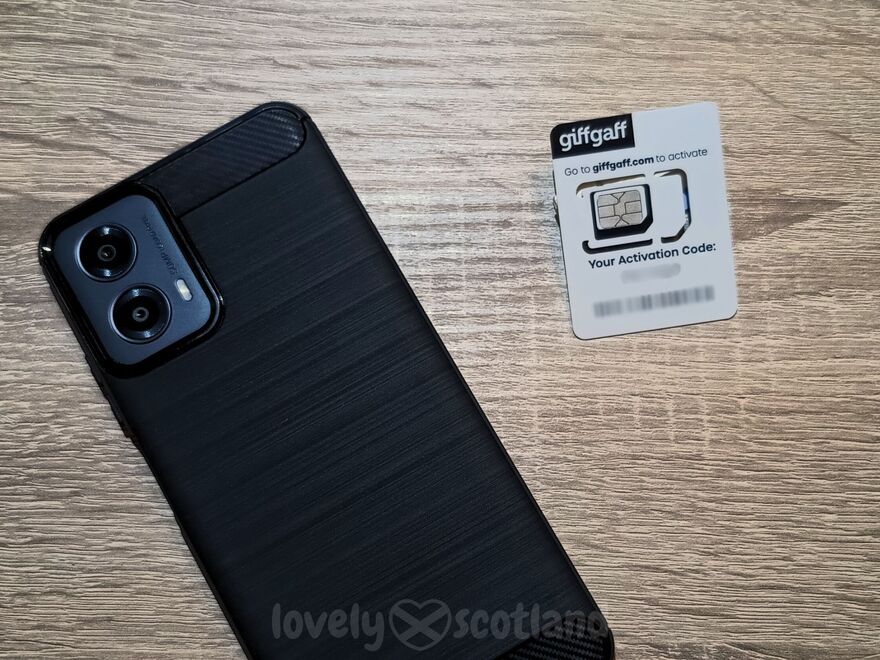
We recommend a SIM card from giffgaff. This is the company we've been using in Scotland since 2012. They have excellent coverage and are known for offering some of the best rates. Order yours now, and they'll send it to your home for free, and with our link you'll get an extra £5 of credit.
If you're reading us from a different country, you can have the SIM sent to the accommodation you've booked in Scotland. Once you've placed your order with giffgaff, let the hotel know they'll be receiving a letter for you.
It will arrive within 24 hours, as long as you order it before 5:00 p.m. the previous day.
Visit the capital using public transportation
The most common mistake when planning a trip around Scotland with a rental car is booking the car from day one.
If you're staying in Edinburgh for one or more days, the ideal plan is to get around by public transportation and pick up the car on the day your road trip through Scotland begins. If so, here's our guide to visiting Edinburgh in 3 days.
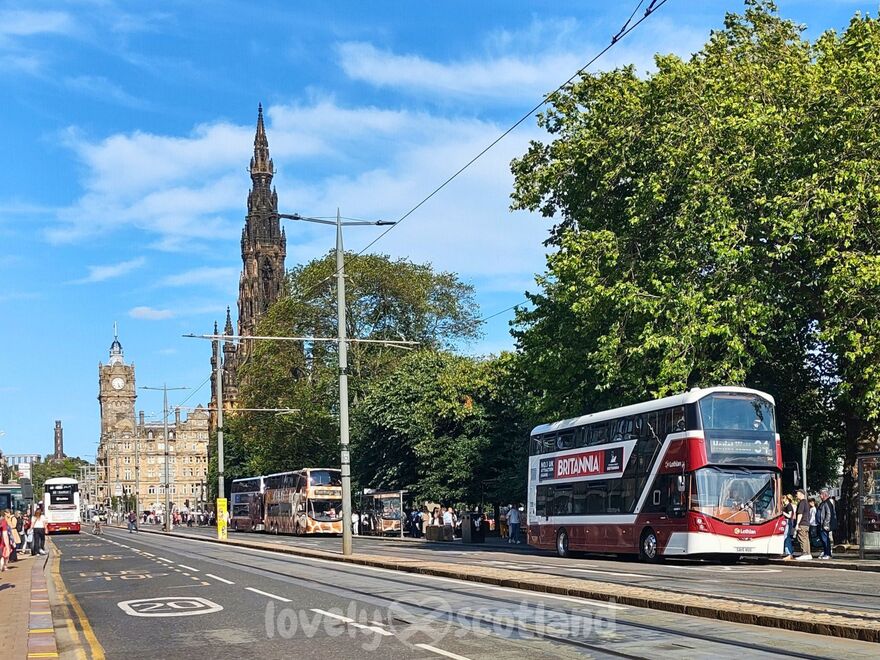
The city has an extensive, varied, and frequent transportation network that can get you anywhere.
To get around Edinburgh, you can use public transportation from the airport and within the city comfortably and efficiently.
- How to get from Edinburgh Airport to the city center
Rent a car to explore Scotland on your own
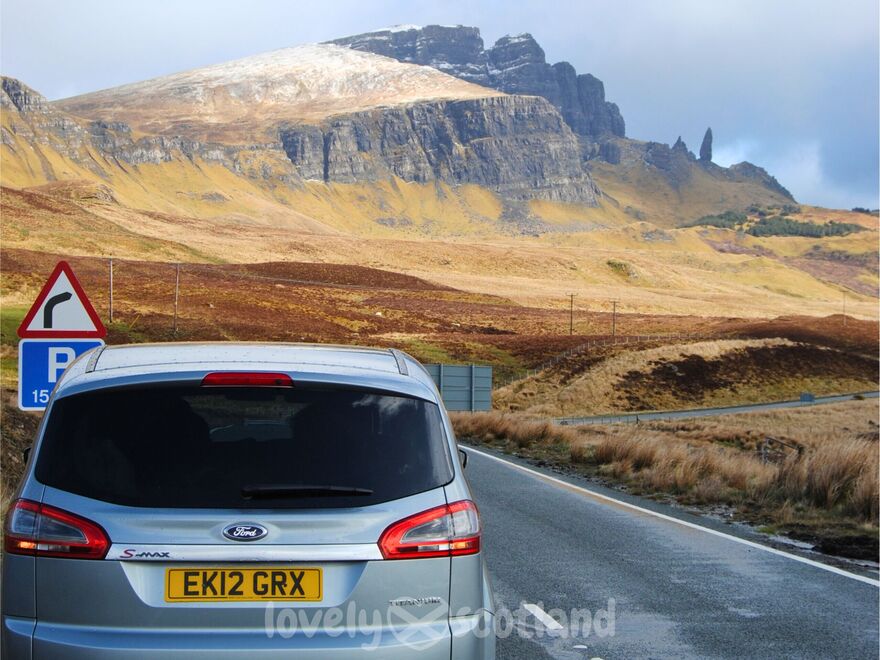
Don't be afraid of driving on the left. There's no better way to get to know Scotland than by exploring it on your own, and doing it with a rental car is the most convenient option, since you'll be able to reach places that tours don't go.
Check the websites we use, Rentalcars and Auto Europe, and compare prices.
Other practical information for traveling to Scotland
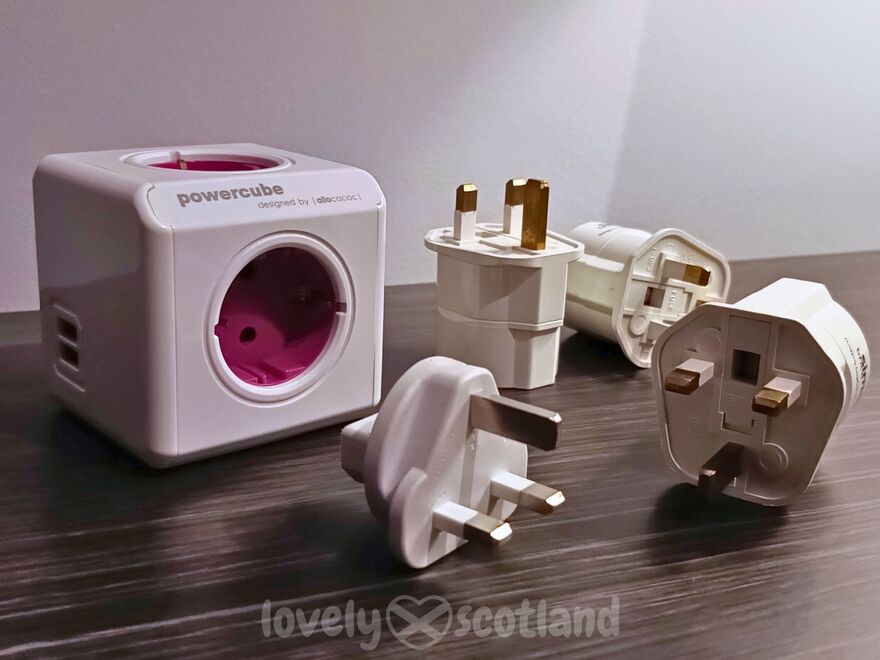
In Scotland, you'll need Type G adapters (with three flat prongs). We have several, but the one that gives us the most options is the cube-style adapter, which works for different types of plugs and also includes USB ports.
Store and supermarket hours may be quite different from what you're used to, depending on where you're coming from. Most are open Monday through Sunday, but their hours are much more limited.
Opening hours vary, but in general they're open from 9:00 a.m. to 5:00 p.m. However, some supermarkets stay open until 11:00 p.m. or even 24 hours a day.
Scotland has exceptionally clean tap water, so it's perfectly safe to drink. In fact, at restaurants they'll usually bring you pitchers of tap water for free, you just need to ask for “tap water”.
Speaking of restaurants, tipping is not usually expected in Scotland, although in recent years it has become more common for tips to be added directly to the bill.
Even so, when it isn't included, if you've had good service (whether in restaurants or taxis), the usual 10% rule still applies, although even a small tip will be appreciated.
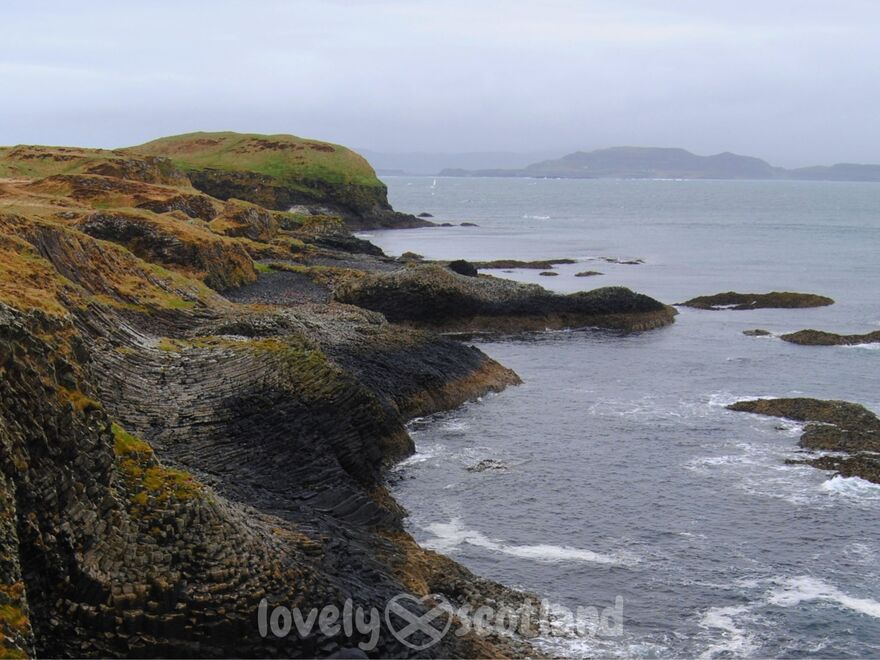
Don't leave Scotland without visiting at least one of its islands. They're little hidden treasures and a fantastic experience, whether it's the Isle of Mull, an excursion to Staffa, Lewis and Harris...
Remember that throughout the UK people drive on the left. If you're renting a car, Rentalcars has some very good deals. Don't forget to bring supplies for the journey (water, nuts, some fruit or snacks, sandwiches...). As we mentioned earlier, in cities you can find just about anything at any time, but the farther you head into rural Scotland, the harder that becomes.
Another tip is to fill up the tank as soon as you come across a gas station, even if you still have half a tank left.
3 things we always carry with us on road trips are:
- A 12V car charger
- A phone mount for using Google Maps
- A power bank
Finally, check the websites of the attractions you plan to visit one or two days in advance.
There have been times when we've arrived at a castle or attraction we wanted to visit only to find it closed (restoration work, low season, bad weather, etc.). It's even a good idea to check the same day you're planning to visit.
Those are our top tips for traveling to Scotland
We hope you have an unforgettable trip!