
At Lovely Scotland, we've put together a wide collection of practical guides and articles so you can plan your trip to Scotland on your own and without stress.
We know that, especially if you're planning your first trip to Scotland, all this information can feel overwhelming. That's why we created this beginner's guide, where you'll find all the essentials you need to know to visit Scotland for the first time.
Many readers ask us for a roundup of the most important tips for traveling to Scotland, so we've gathered the key points here to help you plan everything.
This guide is designed to answer the most common questions about a first trip to Scotland: when to visit Scotland, how much money you'll need, what the must-see places in Scotland are, and many other details to help make your experience unforgettable.
We want you to plan your perfect trip to Scotland and make the most of this country full of magic and incredible landscapes.
When should you travel to Scotland?
If your dates are flexible and this is your first trip, the answer is simple: in our experience, the best time to travel to Scotland is late spring or early fall.
Why? Temperatures are pleasant, it's shoulder season, and both accommodations and flights are more affordable. There are fewer crowds than in summer, and you'll have plenty of daylight hours.
What are temperatures like in Scotland? What should I pack?
Scotland is located in the Northern Hemisphere, so its seasons are the same as in the rest of Europe.
For example, summer falls in June, July, and August, although the weather can vary a lot from its capital, Edinburgh, to the Shetland Islands in the far north of Scotland.
In summer, temperatures usually range from 14°C to 18°C (57°F to 64°F), although in Edinburgh we've had beautiful 21°C (70°F) days when it was warm in the sun and cool in the shade, while at the same time in Lerwick (Shetland Islands), the high was 15°C (59°F).
An old Scottish saying goes: "there's no bad weather, only the wrong clothing".
Broadly speaking, in spring you'll get highs between 8°C and 13°C (46°F and 55°F).
Fall is pleasant, with temperatures between 8°C and 14°C (46°F and 57°F), but it depends a lot on the area you're in and whether it's early or late fall.
Winter is the coldest season in Scotland, with average high temperatures around 5°C (41°F).
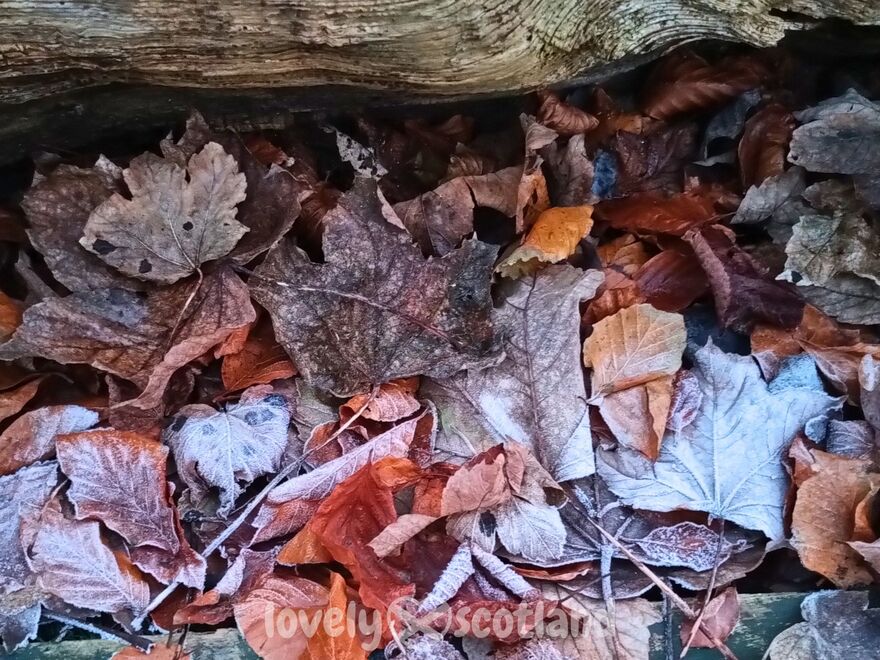
It's a country with generally moderate temperatures, but very changeable weather.
If you want to check the weather for your travel dates, you can visit the official website of the UK's meteorological service, which offers very accurate forecasts considering how changeable the weather is in Scotland.
What documents do you need to enter Scotland?
Over the last few years, since Brexit, there have been several changes.
Right now, these are the current requirements for entering the United Kingdom. Depending on your nationality and the purpose of your trip, additional requirements may apply.
1. Passport
To enter the United Kingdom, including Scotland and Northern Ireland, you'll generally need a valid passport. Your passport must have at least six months of validity left.
A national ID card is not enough to travel to Scotland.
2. ETA (Electronic Travel Authorization)
In April 2025, the United Kingdom began rolling out the ETA (Electronic Travel Authorization).
This means that to travel to Scotland, you'll need to apply for an ETA.
This authorization costs £20 and covers multiple entries over a specific period.
Here you'll find all the information about the ETA, the UK entry requirement.
3. Travel insurance
Although it's not mandatory, having travel insurance is highly recommended. If you're traveling from an EU country, keep in mind that the European Health Insurance Card does not cover all services in the United Kingdom. And if you're traveling with family, we consider it essential.
We recommend IATI Travel Insurances. It's very quick and easy to get, and they provide excellent support in any situation.
4. Additional documents and trip preparation
If you're traveling for study, work, or an extended stay, you may need a specific visa depending on your activity and how long you'll be staying.
It's important to check the official UK government website for the right type of visa.
For the most up-to-date requirements, always check the UK Government website before planning your trip, as regulations may change.
How much money do I need for a trip to Scotland?
Your budget for a trip to Scotland depends on the kind of trip you want and the season. In general, you should plan for accommodation, food, transportation, and attraction tickets.
Accommodation: Prices range from budget-friendly options like hostels to apartments and mid-range or upscale hotels, and even castles. It all depends on your tastes and the type of trip you're planning.
Rural areas tend to be more affordable, while in cities like Edinburgh and Glasgow, costs are usually higher, especially during peak season.
Food and drinks: Meal prices can also vary a lot. Pubs and cafés offer affordable options, while more formal restaurants will push your budget higher.
A good way to save money here is supermarkets, where you'll find a wide variety of prepared food, both cold (everywhere) and hot (at Sainsbury's and Co-op), plus entire refrigerated sections with fruit cups, along with all kinds of snacks and drinks.
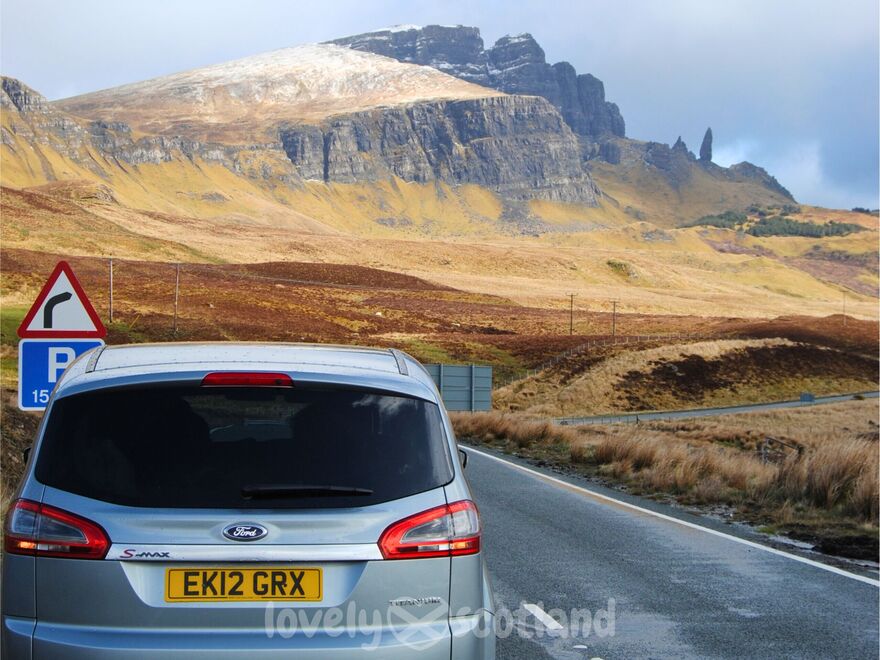
Transportation: Scotland's major cities have an efficient public transportation network, but if you're planning to explore the Highlands, rural areas, and/or the islands, renting a car is the best option if you want more freedom and to travel at your own pace.
We usually book with AutoEurope or Rentalcars, and we've always had a very good experience.
But if you'd rather let someone else do the driving, you can always join day trips from Edinburgh or take this 3-day Highlands and Skye tour.
Tickets and excursions: Some activities, such as visiting castles, some museums, or taking guided tours, come with an extra cost. But you'll also find many free outdoor activities.
There are sightseeing passes that offer discounts on multiple attractions, such as the Royal Edinburgh Ticket or the Scotland Explorer Pass.
With a fairly flexible plan, you can adjust your budget and enjoy Scotland without worrying too much.
Another common question is whether you need to bring cash. The short answer is no, but there are a few nuances.
You can pay for almost everything by card, but you may run into the occasional parking meter that only accepts coins, for example. So the idea of taking out a lot of cash before your trip doesn't really make sense anymore.
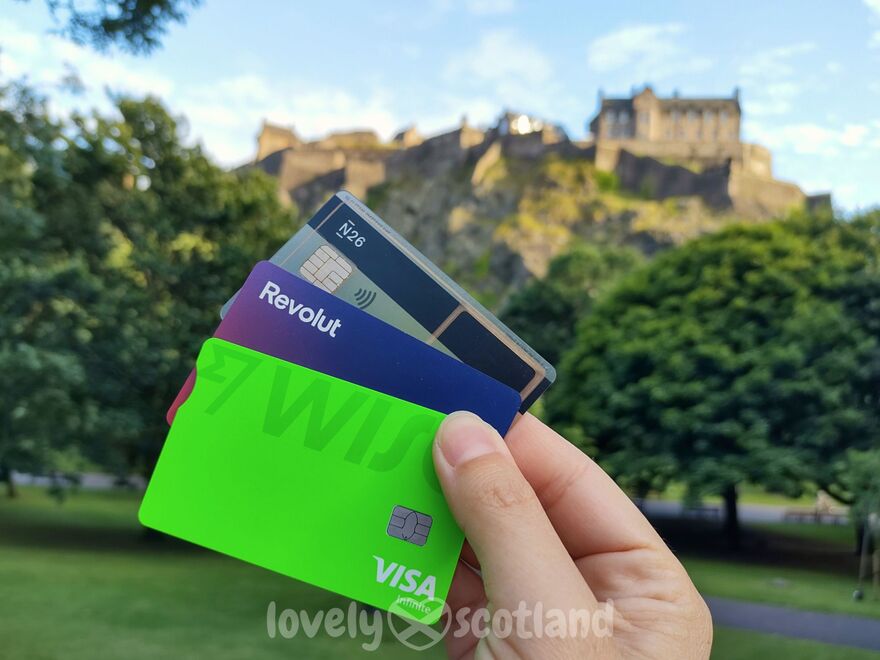
That said, one very important thing to keep in mind is your travel cards. In Scotland, you'll be paying in pounds sterling, and if you don't travel with the right cards, you may be charged foreign transaction fees and given a very unfavorable exchange rate every time you use them.
How many days do you need for a trip to Scotland?
The short answer is: as many days as you can spend on it, or as many as you truly want.
Scotland may look small on the map, but it offers a huge variety of landscapes, picturesque towns, and imposing castles, so you'll end up making countless stops, sometimes just to take in the scenery around you.
It's important to remember that the weather doesn't always cooperate, and you need to leave room for spontaneity, so one piece of advice we can give you is this: go even if you only have a few days, because even if you have several weeks, you still won't be able to see everything.
We all have our own preferences and/or needs, so we've put together several itinerary options that can work for different travel styles and trip lengths.
In general, a 7- to 10-day itinerary will allow you to experience the best of the country.
Which destinations shouldn't I miss?
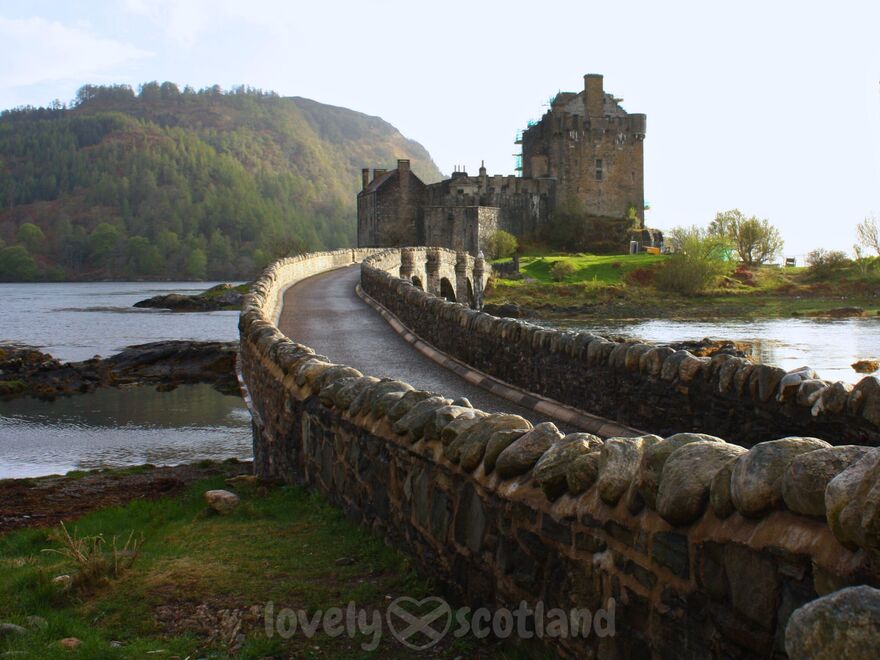
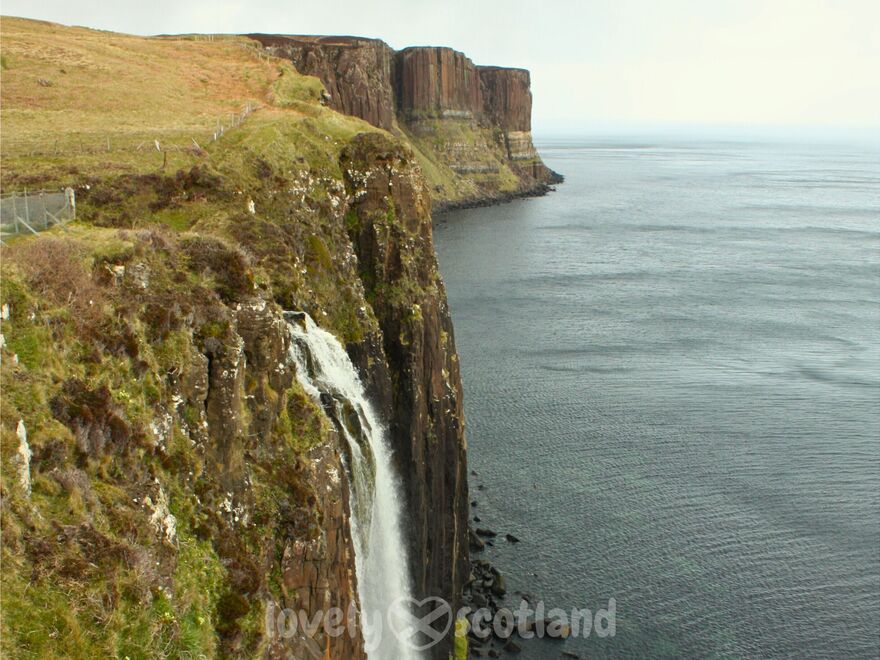
Scotland has a huge variety of places you could easily call must-sees.
How many places you can explore will depend on how many days you have available and your travel style: some people prefer to take fast-paced trips and see lots of places in a short time, while others prefer to enjoy each destination at a slower pace, even if that means seeing fewer places overall.
For a first trip to Scotland, Edinburgh is a must, and although Glasgow has a lot to offer, if you don't have many days, it's worth heading into the Highlands.
Stirling Castle (and many other spectacular castles), the city of Inverness, Loch Ness, St Andrews as a whole, with its cathedral, castle, and more, Dundee, Perth, Pitlochry, the Isle of Skye (the largest of the Inner Hebrides), the valley of Glencoe, Loch Lomond and The Trossachs National Park, the Callanish Stones on the Isle of Lewis and Harris (the largest island in the Outer Hebrides), the Glenfinnan Viaduct, the Cairngorms, and the famous NC500.
Scotland is full of incredible destinations, so take your time, browse both our destinations section and the different Scotland itineraries we have, and based on how many days you're planning for your trip, start putting together this wonderful puzzle full of magic that will become your trip to Scotland.
Where can I find hotels in Scotland?
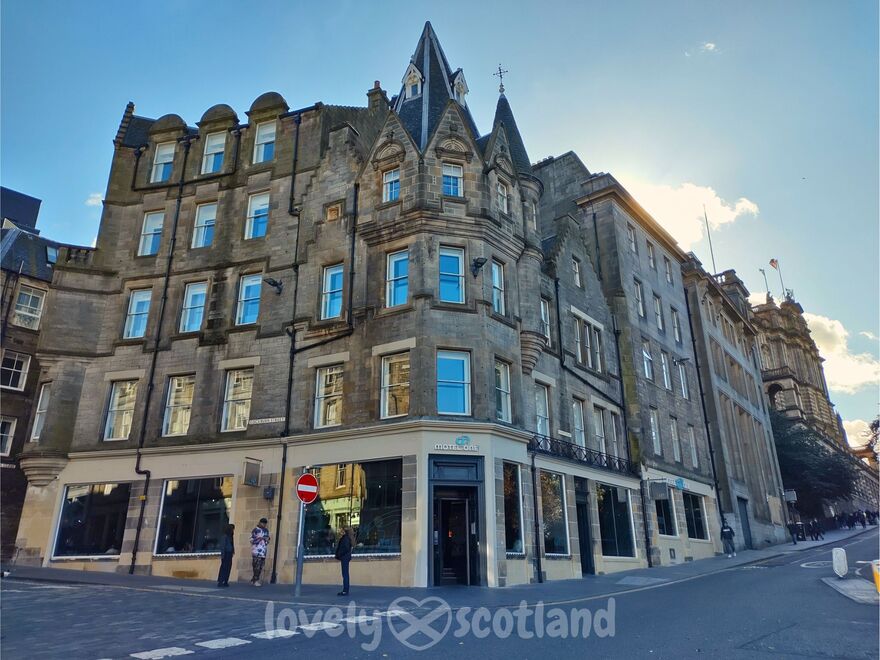
To book accommodation in Scotland, the best platforms include Booking.com, Airbnb, and Hotels.com, where you can compare prices and find options that match your preferences and budget.
At Lovely Scotland, we offer detailed guides to recommended hotels and places to stay in the main cities and regions.
We keep writing these guides as we travel around Scotland, so the list will continue to grow over time.
You can also find accommodation recommendations in specific guides, with places we've stayed and recommend.
How can I get internet on my phone in Scotland?
First of all, check with your carrier about roaming rates.
Some international plans include data in the UK at no extra cost.
If that's your case, you won't have any trouble getting online. You'll just need to turn on data roaming on your phone.
As soon as you land, your phone will automatically connect to a local network that's compatible with your carrier, and you'll be able to use the internet.
That said, make sure to check whether your plan has a data limit so you don't get any surprises.
If you've already checked and found out you don't have roaming, don't worry, there are other ways to stay connected.
eSIM for traveling to Scotland: internet without changing your card
Right now, eSIMs are very popular. It's a digital SIM built into your phone that lets you activate international data plans without having to swap out your physical card.
It has a lot of advantages and is very convenient, since you can buy and activate everything online before your trip.
The downside is that, depending on your smartphone, you may not have the option to install an eSIM.
Local SIM in Scotland: how to get internet with a physical card
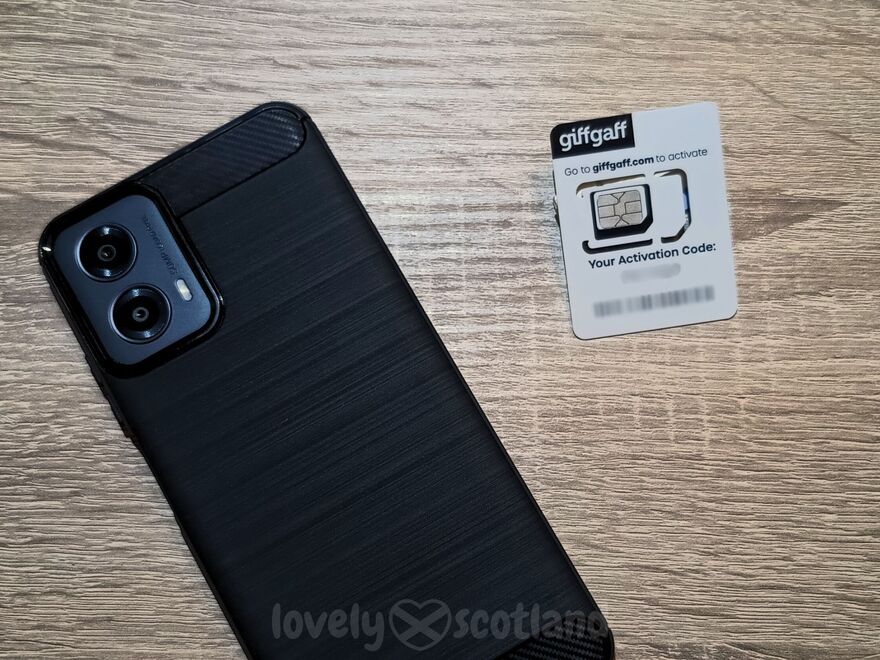
On the other hand, you can buy a local SIM (which is what we've always done). The advantage is that you won't have to go looking for a store to get a SIM when you arrive in Scotland. You can order your giffgaff SIM card here, and, if the option is available for your country (UK, Australia, Japan or Spain), they can ship it to your home free of charge.
If you're reading us from a different country, you can ask to have the SIM sent to the accommodation you've booked in Scotland. Once you've placed your request with giffgaff, let the hotel know they'll be receiving a letter for you.
They ship it within 24 hours, as long as you order it before 5:00 p.m. the day before.
Plus, as soon as you top it up, you'll get £5 in bonus credit.
Free Wi-Fi
Most hotels, bed & breakfasts, and accommodations in Scotland offer free Wi-Fi. However, speeds can vary in rural or remote areas.
The same goes for cafés and restaurants: chains like Starbucks, Black Sheep Coffee, McDonald's, and many local pubs usually offer free Wi-Fi for customers.
Even on public transportation, the Airlink (the bus that connects Edinburgh Airport to the city center) has free Wi-Fi.
Do I need a VPN to connect to the internet in Scotland?
Any time you're going to connect to a public network, such as in hotels, cafés, or other places, a VPN (Virtual Private Network) is essential for protecting your personal data.
Public networks are often insecure, and someone with bad intentions could try to steal personal information from your devices, such as passwords or banking details.
A VPN encrypts your connection. It hides your information and protects your data so no one can spy on you while you use open Wi-Fi networks.
Benefits of using a VPN while traveling:
- Security on public networks. Protects your data on open Wi-Fi networks from hackers or attempted information theft.
- Privacy. Masks your IP address and prevents third parties from tracking your online activity.
- Access without geographic restrictions. Lets you connect to servers in other countries, which is useful for geo-blocked content.
- Protection for banking transactions. Adds an extra layer of security when carrying out sensitive transactions.
Set up your VPN before you travel and turn it on whenever you use public Wi-Fi to make sure your connection stays secure and private.
What type of plugs are used in Scotland?
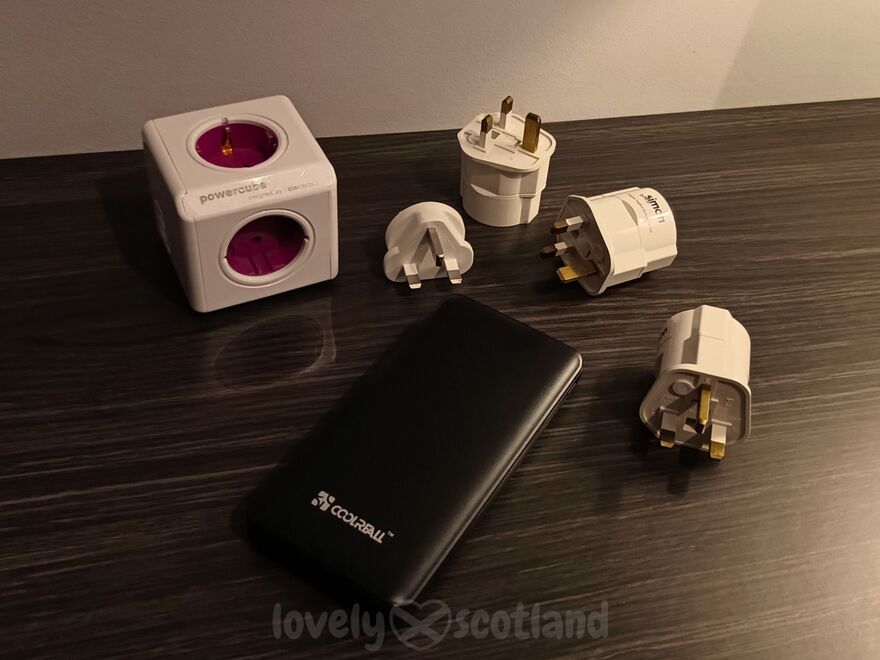
Plugs in Scotland are type G, with three flat prongs, so you'll need a travel adapter.
We have several, but the one we like best by far is the PowerCube.
Also, the electrical current is 230V and 50Hz, just like in other European countries, so if you're traveling from a country with 110-120V, such as the United States or Canada, you may also need a voltage converter if your devices or chargers aren't compatible.
Another essential, especially if you use your phone as a GPS or camera, is a power bank, so you don't run out of battery right when you need it most.
By the way, if you're going to buy a power bank, make sure it's at least 10,000 mAh.
What to eat in Scotland: Everything you should know before your trip
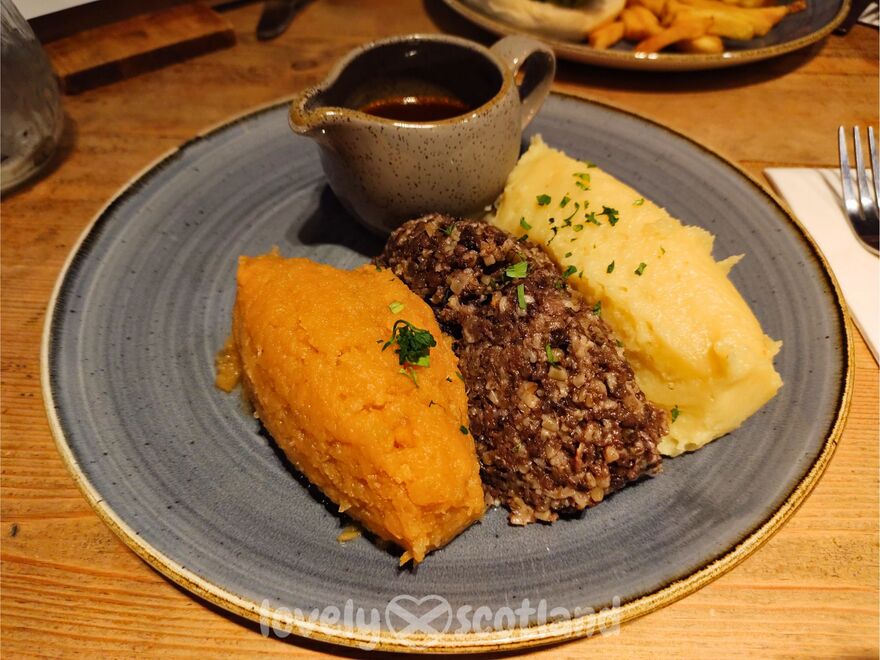
Scotland is famous for haggis, salmon, and scones, but its food has much more to offer.
Although many people think Scotland is all about heavy or very traditional dishes, the truth is that its cuisine is very diverse, with options for every taste, from local specialties to international influences.
Food intolerances in Scotland
Scotland is becoming increasingly aware of food intolerances.
In most restaurants, you'll find gluten-free, vegetarian, and allergy-friendly options.
Many menus list allergens, but it's always a good idea to ask.
You'll also find bakeries and cafés specializing in gluten-free food, ideal for enjoying your trip with peace of mind.
Vegan and vegetarian options
Although Scotland has a strong tradition of meat-based dishes, vegan and vegetarian options have grown dramatically.
Cities like Edinburgh and Glasgow have specialized restaurants and menus adapted to these diets.
Dishes like vegan haggis and salads made with local ingredients are becoming more and more common.
Which attractions should I book in advance?
Some attractions in Scotland require advance booking, especially during peak season.
These include Edinburgh Castle, Rosslyn Chapel, the Palace of Holyroodhouse, the Jacobite train (the Harry Potter train), and Stirling Castle.
It's also a good idea to book tickets in advance for popular tours, for example:
- Loch Ness and the Highlands tour
- Free walking tour of Edinburgh
- Outlander tour of Scotland
- Free Harry Potter tour of Edinburgh
- 3-day tour of the Highlands and the Isle of Skye
- Stirling, Kelpies and Loch Lomond tour
And if you want to visit a specific whisky distillery, we also recommend booking ahead.
From Speyside to Islay, Scottish distilleries offer tours that celebrate Scotland's whisky heritage.
Groups are usually small, and many distilleries have limited opening hours, so it's highly recommended to book your visit in advance.

What experiences do you recommend in Scotland?
Scotland is full of incredible experiences.
Exploring medieval castles, taking a road trip through the Highlands, or enjoying a whisky distillery tour are some of the must-do activities.
We also recommend hiking in Glencoe, cruising on Loch Ness, or walking across the Glenfinnan Viaduct, famous for its spectacular views.
Scottish etiquette and practical customs
Scotland is a welcoming country, and locals are usually kind and patient with visitors.
Even if English is your first language, Scottish accents can take a little getting used to, especially in rural areas. If you don't understand something, it's perfectly fine to ask someone to repeat it or speak more slowly.
Here are some practical customs and etiquette tips to keep in mind during your trip:
Everyday politeness in Scotland
- Be polite and patient: Courtesy matters in everyday interactions, especially in shops, cafés, and on public transportation.
- Avoid overly personal questions: When you're meeting someone for the first time, it's best not to ask overly personal questions about things like income or politics.
Behavior in public places in Scotland
- Respect for natural spaces: Scotland has a right of access to the outdoors (Right to Roam), but that means taking care of the environment, not leaving trash behind, and respecting wildlife.
- Quiet in peaceful areas: In places like churches, castles, or natural areas, silence or a low speaking voice is appreciated.
- Waiting in line: It's a common and valued practice.
Driving in Scotland: basic rules and tips
- Drive on the left: In Scotland, as in the rest of the United Kingdom, people drive on the left side of the road.
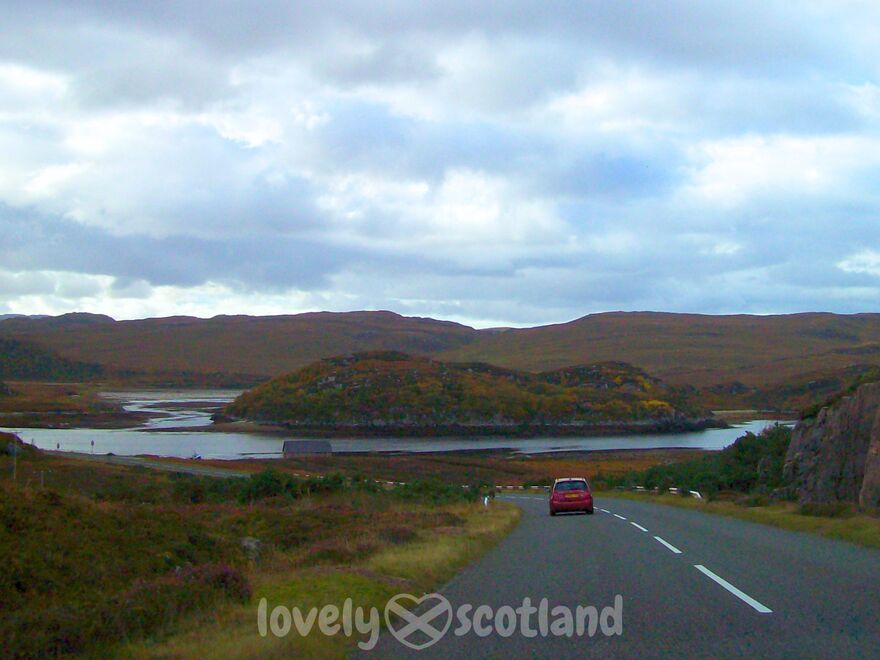
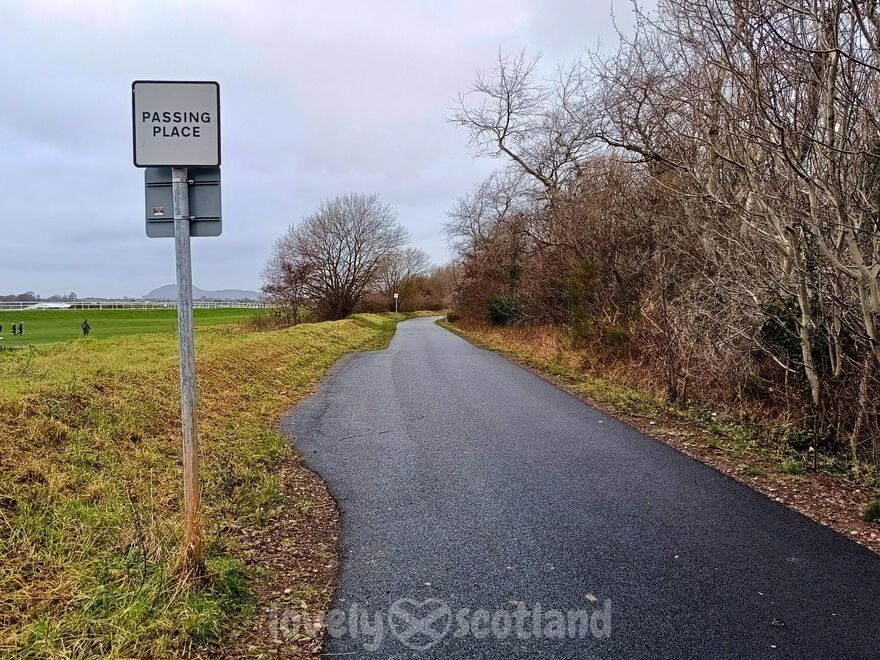
- Courtesy on rural roads: If you come across larger vehicles or locals, use the passing places to let them through.
Pubs and restaurants in Scotland: what you need to know
- Ordering at the bar: In most pubs, orders are placed directly at the bar, not at the table.
- Tipping: It's not required, but leaving 10-15% in restaurants or rounding up in taxis is considered a nice gesture.
- Don't interrupt conversations: Although Scots are usually friendly, don't interrupt ongoing conversations unless you're invited to join.
Culture and traditions in Scotland: what to respect
- Traditional dress: If you see someone wearing a kilt, avoid inappropriate comments or jokes. It's an important cultural symbol.
- Tolerance and diversity: Scotland is a welcoming and diverse place. Respect for all cultures, religions, and orientations is expected.
- Photographing events or people: Ask before taking photos, especially in traditional settings such as Celtic dances or festivals.
Respect for Scotland's history: key things to keep in mind
- Historic monuments: Treat castles, monuments, and historic sites with respect. Don't touch exhibits or go beyond the permitted areas.
- Historic battles: Be careful when referring to Scottish history, especially topics such as the Wars of Independence or the Jacobite rising, as they may be sensitive for some locals.
Scottish customs and quirks you should know
- Scottish humor: Scots often use sarcasm or self-deprecating humor. Don't take it the wrong way, as it's usually part of their warm personality.
With this guide, we hope you're ready to start planning your trip to Scotland.
At Lovely Scotland, you'll find all the information you need to plan your first trip to Scotland on your own without any hassle and make your adventure unforgettable.
Get ready to discover the best of Scotland and enjoy a unique experience!